

What is a Manual Trainer? A Comprehensive Guide (Updated 12/04/2025)
A manual trainer, often called a personal trainer, crafts bespoke fitness regimens and guides individuals toward achieving their wellness objectives. They leverage hands-on expertise,
assisting clients with proper form and motivation, ultimately bridging the gap between gym attendance and tangible results.
Manual training, in the context of fitness, represents a personalized approach to wellness, moving beyond generic workout plans. It’s about understanding an individual’s unique physical capabilities, limitations, and aspirations. Unlike simply following a pre-designed program, a manual trainer actively engages with clients, providing hands-on guidance and real-time feedback on exercise technique.
This field has evolved as people increasingly recognize the ineffectiveness of one-size-fits-all fitness solutions. Many gym-goers struggle to see results despite consistent effort, often due to improper form or a lack of tailored progression. A skilled manual trainer addresses these issues, creating a customized path to success. The core principle revolves around direct, individualized instruction, ensuring safety and maximizing efficiency. It’s about empowering individuals to take control of their health through informed, guided practice, and it’s a growing profession.
The Core Principles of Manual Training
The foundation of effective manual training rests upon several key principles, prioritizing individualized attention and progressive overload. Firstly, a thorough assessment of the client’s current fitness level, health history, and goals is paramount. Secondly, trainers emphasize proper form and technique to prevent injuries and maximize exercise efficacy.
Progressive overload – gradually increasing the intensity or volume of workouts – is crucial for continued improvement. Furthermore, motivation and support are integral, fostering a positive client-trainer relationship. Manual training isn’t merely about prescribing exercises; it’s about educating clients, empowering them to understand their bodies, and building sustainable healthy habits. It’s a hands-on, adaptable process, constantly refined based on individual responses and progress, ensuring long-term wellness.

Skills and Qualifications of a Manual Trainer
Successful manual trainers possess strong interpersonal skills, a deep understanding of fitness, and the ability to motivate others. Certification and continuous education are vital for expertise.
Essential Physical Fitness Knowledge
A foundational understanding of exercise science is paramount for any effective manual trainer. This encompasses a comprehensive grasp of cardiovascular physiology, resistance training principles, and the biomechanics of human movement. Trainers must be adept at assessing a client’s current fitness level, identifying potential limitations, and designing programs that safely and effectively address their individual needs.
Knowledge extends to nutrition, as diet significantly impacts fitness outcomes. Understanding macronutrients, hydration strategies, and the role of supplements is crucial. Furthermore, trainers should be well-versed in exercise variations, progression techniques, and the ability to modify exercises to accommodate different skill levels and physical conditions. Staying current with the latest fitness research and trends is also essential for providing evidence-based guidance and maximizing client results.
Understanding Anatomy and Physiology
A deep comprehension of human anatomy and physiology forms the bedrock of safe and effective manual training. Trainers must possess a detailed knowledge of musculoskeletal systems – bones, muscles, tendons, and ligaments – and how they interact during movement. Understanding the nervous system’s role in controlling muscle contractions and coordinating movements is equally vital.

This knowledge allows trainers to identify potential injury risks, correct improper form, and design targeted exercises to strengthen specific muscle groups. Familiarity with major organ systems and their response to exercise is also crucial for tailoring programs to clients with pre-existing health conditions. A solid grasp of anatomical terminology and physiological processes enables trainers to communicate effectively with clients and other healthcare professionals.
Certification Requirements and Accrediting Bodies
Becoming a certified manual trainer typically involves completing an educational program and passing a comprehensive examination. While requirements vary, most reputable organizations necessitate a high school diploma or equivalent. Accrediting bodies, such as the National Commission for Certifying Agencies (NCCA), ensure certification programs meet rigorous standards.
Popular certifications include those offered by the American College of Sports Medicine (ACSM), the National Academy of Sports Medicine (NASM), and the International Sports Sciences Association (ISSA). These programs cover exercise science, program design, client assessment, and safety protocols. Continuing education credits are often required to maintain certification, ensuring trainers stay current with the latest research and best practices. Choosing an NCCA-accredited program is highly recommended for career advancement.

The Role of a Manual Trainer in Fitness
Manual trainers expertly design individualized workout plans, demonstrate correct techniques, and provide crucial motivation and support, guiding clients toward optimal fitness and lasting wellness.
Developing Personalized Training Programs
Crafting effective, individualized training programs is a cornerstone of a manual trainer’s role. This process begins with a thorough assessment of the client’s current fitness level, encompassing evaluations of strength, endurance, flexibility, and body composition.
Crucially, the trainer must understand the client’s goals – whether it’s weight loss, muscle gain, improved athletic performance, or rehabilitation from injury.
A truly personalized program considers individual needs, limitations, and preferences. Factors like age, health history, and lifestyle are paramount. The trainer then designs a progressive plan, incorporating varied exercises, appropriate intensity levels, and realistic timelines. Regular monitoring and adjustments are essential to ensure continued progress and prevent plateaus, ultimately maximizing client success.
Demonstrating Correct Exercise Techniques
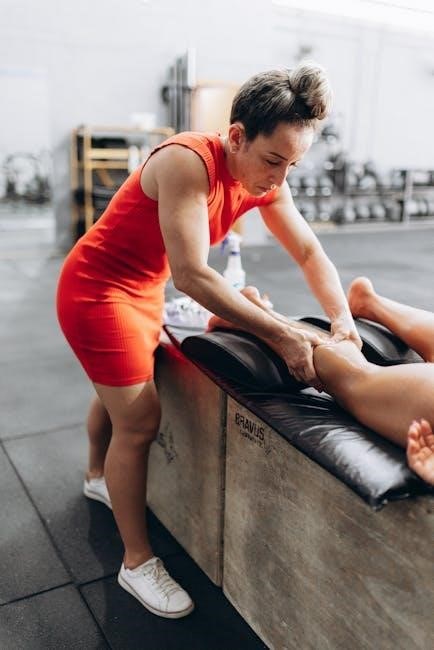
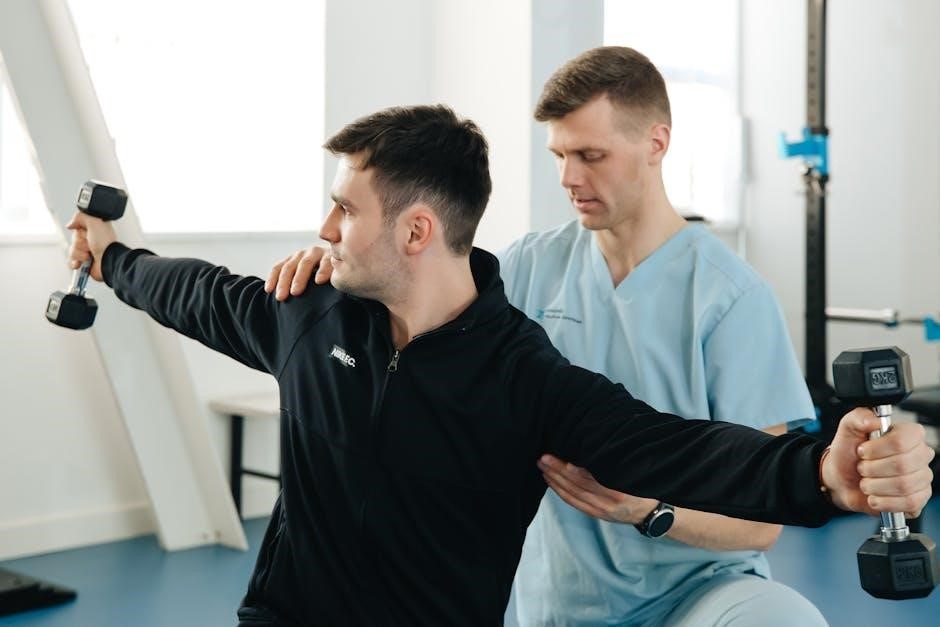
A manual trainer’s ability to accurately demonstrate and teach proper exercise technique is fundamental to client safety and effectiveness. Simply prescribing exercises isn’t enough; trainers must visually and verbally guide clients through each movement, emphasizing correct form and biomechanics.
This involves breaking down complex exercises into manageable steps, providing clear cues, and offering hands-on spotting when necessary.
Trainers must be able to identify and correct common errors, preventing injuries and ensuring clients engage the targeted muscle groups. Effective demonstration isn’t just about doing the exercise, but explaining why proper form matters, fostering client understanding and empowering them to train independently and safely.
Providing Motivation and Support
Beyond exercise instruction, a manual trainer serves as a crucial source of motivation and support for their clients. Fitness journeys often involve plateaus, setbacks, and moments of self-doubt, and a trainer’s role extends to helping clients navigate these challenges.
This includes setting realistic goals, celebrating achievements (big or small), and providing encouragement during difficult times.
Effective trainers build rapport with their clients, understanding their individual needs and motivations; They offer positive reinforcement, constructive feedback, and accountability, fostering a supportive environment where clients feel empowered to push their limits and maintain consistency. A trainer’s belief in their client can be the key to unlocking lasting results.
Different Types of Manual Training Specializations
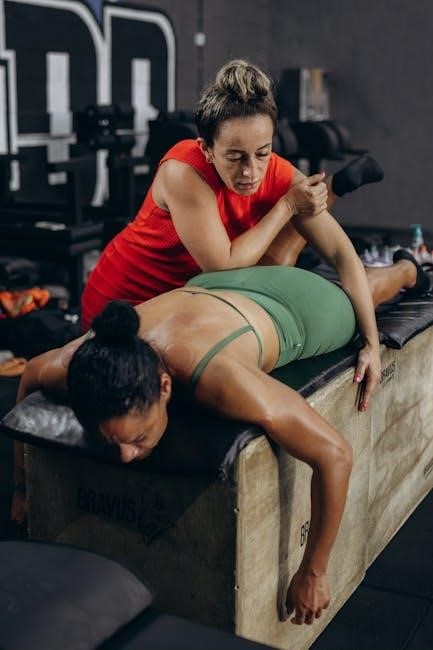
Manual trainers often specialize, focusing on areas like strength and conditioning, functional training for rehabilitation, or sport-specific performance enhancement.
Strength and Conditioning Training
Strength and conditioning training, a core specialization for manual trainers, centers on enhancing athletic performance and overall physical capabilities. This involves designing programs that improve muscular strength, power, endurance, and agility. Trainers utilize a variety of techniques, including weightlifting, plyometrics, and interval training, tailored to the individual’s sport or fitness goals.

A key aspect is periodization – strategically varying training intensity and volume to prevent plateaus and optimize results. Manual trainers in this field must possess a deep understanding of biomechanics and exercise physiology to safely and effectively challenge clients. They also focus on injury prevention, incorporating mobility and stability exercises into the program. This specialization is popular among athletes seeking a competitive edge, but also benefits individuals aiming for general fitness improvements and enhanced functional strength for daily life.
Functional Training and Rehabilitation
Functional training, a vital specialization for manual trainers, emphasizes movements that mimic real-life activities. Unlike isolating specific muscles, it focuses on integrated, multi-planar exercises that improve coordination, balance, and stability. This approach is particularly beneficial for individuals recovering from injuries or seeking to improve their ability to perform daily tasks with ease.
Manual trainers specializing in rehabilitation often work closely with physical therapists, implementing exercise programs designed to restore function and reduce pain. They utilize tools like resistance bands, stability balls, and bodyweight exercises to rebuild strength and mobility. A strong understanding of anatomy and injury mechanisms is crucial. This specialization requires patience and a personalized approach, adapting exercises to the client’s specific needs and limitations, fostering a safe and effective recovery journey.
Sports-Specific Training
Manual trainers specializing in sports-specific training design programs tailored to the unique demands of a particular athletic discipline. This goes beyond general fitness, focusing on movements, energy systems, and muscle groups critical for success in that sport. They analyze the biomechanics of the sport, identifying areas for improvement in strength, power, agility, and endurance.
Effective sports-specific training requires a deep understanding of the sport’s requirements and potential injury risks. Trainers work to enhance performance while minimizing the chance of injury through targeted exercises and conditioning. This might involve plyometrics for basketball players, rotational power exercises for golfers, or endurance training for marathon runners. A successful trainer collaborates with coaches and athletes, continually adapting the program to optimize results and achieve peak athletic performance.
Finding Manuals and Resources for Trainers
Trainers can access extensive exercise databases and industry publications online, alongside continuing education opportunities, to refine skills and stay current.
Online Databases of Exercise Manuals
Numerous online platforms serve as invaluable repositories for exercise manuals and training resources, streamlining the process for manual trainers seeking comprehensive materials. These databases, often searchable by keyword, offer a diverse collection encompassing exercise techniques, program design templates, and anatomical illustrations.
The convenience lies in the ability to quickly locate specific manual information, including details on exercise execution, safety precautions, and potential modifications. These resources frequently detail manual name, description, size, and page count, aiding in informed selection.
Furthermore, many platforms provide access to service guides and product documentation, expanding the trainer’s knowledge base. This digital accessibility saves significant time and effort compared to traditional methods of manual sourcing, allowing trainers to focus more on client interaction and program implementation.
Utilizing Fitness Industry Publications

Staying current with industry trends is paramount for any manual trainer, and fitness publications offer a consistent stream of valuable insights. Journals, magazines, and online articles frequently feature cutting-edge research, innovative training methodologies, and expert perspectives on exercise science.
These publications often delve into specialized areas like strength and conditioning, functional training, or sports-specific preparation, broadening a trainer’s skillset.
Regularly reviewing these resources ensures trainers are equipped with the latest knowledge to develop effective, evidence-based programs. Moreover, publications often highlight new equipment, techniques, and safety protocols, fostering continuous professional development.
Accessing this information allows manual trainers to refine their approach, enhance client outcomes, and maintain a competitive edge within the dynamic fitness landscape.
Continuing Education and Professional Development
The field of fitness is constantly evolving, making ongoing education crucial for manual trainers. Participating in workshops, seminars, and advanced certification courses demonstrates a commitment to professional growth and enhances expertise.
These opportunities allow trainers to deepen their understanding of anatomy, physiology, biomechanics, and exercise prescription. Specialized courses can focus on areas like corrective exercise, injury prevention, or specific populations (e.g., seniors, athletes).
Investing in continuing education not only improves a trainer’s skillset but also boosts credibility and client trust. It ensures they remain informed about the latest research, techniques, and safety guidelines, ultimately delivering superior training experiences.
Furthermore, professional development fosters networking opportunities and expands a trainer’s professional circle.

The Future of Manual Training
The future sees manual trainers integrating technology for personalized plans, meeting a rising demand for tailored fitness experiences and data-driven results.
Technological Advancements in Fitness
The integration of technology is rapidly reshaping the landscape for manual trainers. Wearable fitness trackers, providing real-time data on heart rate, sleep patterns, and activity levels, allow trainers to create hyper-personalized programs.
Sophisticated software platforms now facilitate remote coaching, workout scheduling, and progress tracking, expanding a trainer’s reach beyond the traditional gym setting. Virtual reality (VR) and augmented reality (AR) are emerging, offering immersive and engaging workout experiences.
Artificial intelligence (AI) is being utilized to analyze client data, predict potential plateaus, and optimize training protocols. These advancements empower trainers to deliver more effective, efficient, and engaging fitness solutions, ultimately enhancing client outcomes and solidifying their role as vital wellness professionals.
The Growing Demand for Personalized Fitness
A significant shift is occurring within the fitness industry, driving an increased demand for personalized training experiences. Individuals are moving away from generic workout routines and seeking tailored programs designed to address their unique needs, goals, and limitations.
This trend is fueled by a greater awareness of the importance of holistic wellness and a desire for accountability; Manual trainers are uniquely positioned to capitalize on this demand, offering individualized attention, expert guidance, and ongoing support.
Clients value the expertise of a trainer who can create a safe, effective, and motivating fitness journey. As people prioritize their health and well-being, the role of the manual trainer as a trusted partner in achieving fitness goals will continue to expand.