

Christopher Martin’s The Human Hand offers a fascinating exploration of anatomy, functionality, and cultural significance, blending science with storytelling to reveal the hand’s essential role in human life and evolution․
Overview of the Human Hand
The human hand is a remarkable anatomical structure, comprising 27 bones, 29 joints, and a complex network of muscles, tendons, and ligaments․ Its intricate design enables precise movements, from delicate gestures to powerful grips, making it indispensable for daily activities and creative expression․ The hand’s adaptability is rooted in its unique bone structure, with the thumb’s opposition capability being a key feature that distinguishes it from other species․ Christopher Martin emphasizes the hand’s role as a bridge between the physical and cognitive worlds, highlighting its importance in problem-solving, communication, and emotional connection․ Beyond its functional aspects, the hand holds deep cultural and symbolic meaning, appearing in art, literature, and gestures as a universal language of expression․ Martin’s exploration reveals the hand as a testament to human ingenuity and adaptability, blending scientific detail with storytelling to illuminate its essential role in shaping human life and identity․

Anatomy of the Human Hand
The human hand is an intricate structure with 27 bones, 29 joints, and a complex system of muscles, tendons, and ligaments․ Its unique thumb opposition enables exceptional dexterity and functionality․
Bone Structure and Joints
The human hand is a marvel of structural complexity, comprising 27 bones, including the carpals, metacarpals, and phalanges․ These bones are interconnected by ligaments, forming a stable yet flexible framework․ The wrist contains eight carpal bones arranged in two rows, while the metacarpals connect the wrist to the fingers․ Each finger has three phalanges, except the thumb, which has two, enabling precise movements․ The joints, including hinge, pivot, and condyloid types, allow for a wide range of motion, from delicate gestures to powerful grips․ This intricate bone and joint system provides the structural foundation for the hand’s remarkable dexterity and adaptability, making it an indispensable tool for both everyday tasks and specialized skills․
Muscles: Intrinsic and Extrinsic
The human hand’s musculature is divided into intrinsic and extrinsic muscles, each playing a distinct role in its remarkable functionality․ Intrinsic muscles, such as the thenar and hypothenar, are located within the hand itself and are responsible for precise movements like finger flexion and thumb opposition․ These muscles enable delicate actions, such as pinching or writing, by directly controlling the fingers and thumb․ In contrast, extrinsic muscles are found in the forearm and operate through tendons that extend into the hand, controlling larger movements like gripping and finger extension․ This dual system allows for a wide range of motions, from fine motor tasks to powerful grasps․ The interplay between intrinsic and extrinsic muscles is essential for the hand’s dexterity, making it a versatile tool for both creative expression and practical problem-solving․ This intricate muscular arrangement underscores the hand’s adaptability and its central role in human functionality and expression․
Nervous System and Sensory Feedback
The human hand’s nervous system is a complex network that enables sensory feedback and precise motor control․ Sensory receptors in the skin and fingertips detect touch, pressure, and vibrations, providing vital information for tasks requiring precision, such as writing or manipulating tools․ These receptors transmit signals to the brain, which processes the information to guide movements and adjust grip strength․ The nervous system’s connection to the hand is deeply intertwined with cognitive functions, allowing for problem-solving and adaptability․ For instance, tactile feedback helps judge the texture or weight of an object, enhancing dexterity․ This sensory-motor integration is essential for both practical tasks and creative expression, making the hand an extension of the brain․ The hand’s ability to sense and respond to its environment underscores its role as a critical interface between the human body and the world, enabling learning, communication, and emotional connection through touch․
Functionality and Dexterity
The human hand’s functionality and dexterity enable precise and powerful grips, essential for both everyday tasks and specialized skills, showcasing its adaptability in problem-solving and creative expression․
Precision Grip and Power Grip
The human hand’s ability to perform precision and power grips is a testament to its remarkable dexterity․ Precision grip, involving the thumb and fingertips, allows for delicate tasks like writing or handling small objects, relying on sensory feedback for accuracy․ Power grip, utilizing the entire hand, enables firm holding of larger objects, essential for activities such as carrying or climbing․ These grips are made possible by the thumb’s opposition capability and the intricate coordination of intrinsic and extrinsic muscles․ Christopher Martin highlights how these functionalities are vital for both everyday tasks and specialized skills, showcasing the hand’s adaptability in problem-solving and creative expression․ The interplay between precision and power underscores the hand’s role as a versatile tool, blending finesse and strength to meet diverse demands․
Role in Problem-Solving
The human hand plays a pivotal role in problem-solving, enabling tactile exploration and manipulation of objects․ Through physical interaction, hands provide sensory feedback that enhances understanding and decision-making․ Christopher Martin emphasizes how hands serve as extensions of the brain, facilitating creativity and logical reasoning․ For instance, tasks like puzzles or navigating environments require precise hand movements, showcasing their importance in both practical and cognitive challenges․ The dexterity of fingers and thumbs allows for precise actions, such as handling small objects or writing, which are crucial for logical reasoning․ Hands also enable creativity, as seen in activities like drawing or crafting, where tactile engagement sparks innovation․ This unique ability underscores the hand’s central role in human ingenuity and adaptability, making it an indispensable tool for navigating life’s challenges and finding solutions․
Communication Through Gestures
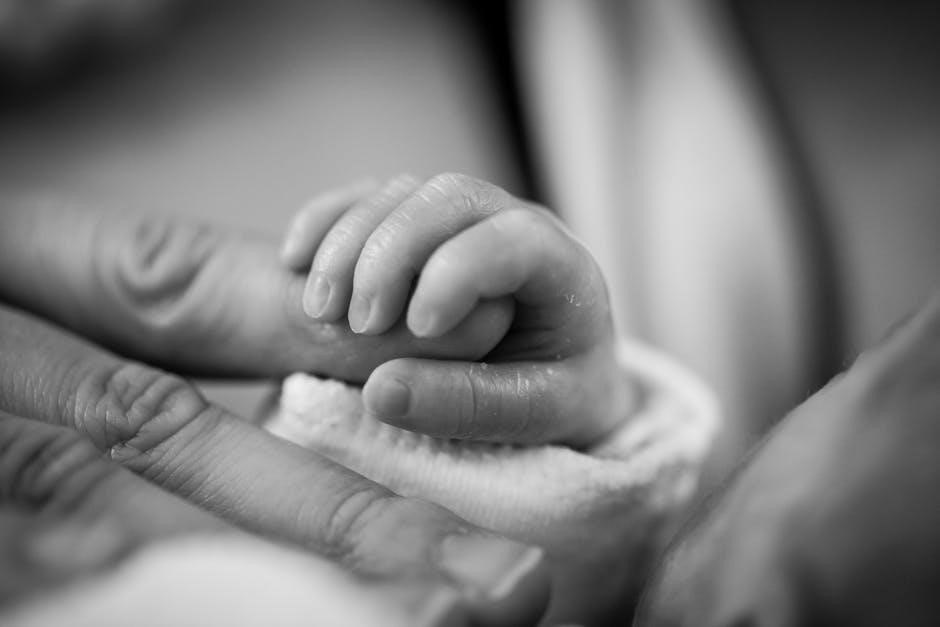
Hands are a universal language, conveying emotions, intentions, and ideas without words․ Gestures like waving, pointing, or clapping transcend language barriers, reflecting cultural and personal identity․ Christopher Martin explores how hand movements express empathy, aggression, or cooperation, emphasizing their power in non-verbal communication․ The biological basis of gestures links them to brain function and evolution, illustrating how hands serve as bridges between individuals․ Martin highlights how gestures evolve, adapting to societal norms and technological advancements․ From a gentle handshake to a reassuring touch, hands foster understanding and connection across diverse contexts․ This universal language of touch strengthens relationships and builds trust, underscoring the profound impact of hand gestures on emotional well-being and interpersonal connections․ Through this lens, Martin illustrates how hands are not just physical extensions but vital mediums for expressing and receiving love, empathy, and support․
Cultural and Symbolic Significance
Hands symbolize power, wisdom, and spirituality across cultures, expressing emotion and identity in art, literature, and gestures, bridging human connections and conveying feelings universally․
Hands in Art and Literature
Hands have long been a focal point in art and literature, symbolizing creativity, emotion, and identity․ In The Human Hand, Christopher Martin explores how artists and writers use hands to convey profound human experiences․ From Michelangelo’s intricate sculptures to Shakespearean gestures, hands represent power, vulnerability, and connection․ Martin highlights how literary characters, like Christopher Boone, use their hands to navigate their worlds, emphasizing their role in storytelling and emotional expression․ This section delves into the enduring significance of hands as a universal language, bridging the gap between creator, subject, and audience across various mediums․ Their imagery continues to inspire and captivate, reflecting the deep interplay between human anatomy and artistic expression․
Symbolism Across Cultures
Hands hold profound symbolic meaning across cultures, representing power, wisdom, and spirituality․ In The Human Hand, Christopher Martin explores how hands are imbued with cultural significance, from the Hamsa symbol in Middle Eastern traditions to the mudras in Buddhist practices․ These gestures and symbols often convey protection, blessings, and spiritual connection․ In many cultures, the right hand is associated with authority and righteousness, while the left hand may symbolize the unknown or the subconscious․ Martin also examines how hands are depicted in art and literature, such as in Michelangelo’s “The Creation of Adam,” where the hand of God symbolizes divine creation․ Across societies, hands serve as universal symbols of human identity, bridging cultural divides and reflecting shared values․ This cultural richness underscores the hand’s role as a mirror of human history, beliefs, and aspirations, making it a timeless and universal symbol of humanity․
Gestures and Non-Verbal Communication
Hands are powerful tools for non-verbal communication, conveying emotions, intentions, and ideas across cultures․ In The Human Hand, Christopher Martin highlights how gestures like waving, pointing, or clapping transcend language barriers, serving as universal expressions of human connection․ These movements reflect cultural identity, with variations in hand gestures often mirroring societal norms and values․ For instance, open palms may signify honesty in one culture, while in another, they may express vulnerability․ Martin also explores the biological basis of gestures, linking them to brain function and human evolution․ Hands, as extensions of the mind, bridge the gap between thought and expression, enabling empathy, cooperation, or even conflict resolution․ By examining the interplay between hand movements and communication, Martin illustrates how gestures foster understanding and connection, making them indispensable in human interaction and cultural exchange․
Psychological and Emotional Impact
Hands are vital for emotional expression and connection, serving as tools for trust and empathy․ They bridge gaps, offering comfort and understanding, deeply influencing psychological well-being and interpersonal bonds․
Hands and Perception
Hands play a crucial role in shaping human perception, enabling tactile exploration and manipulation of objects․ Through sensory feedback, they enhance understanding and problem-solving abilities․ Christopher Martin highlights how hands serve as extensions of the brain, facilitating creativity and innovation․ The ability to interact physically with the environment allows individuals to process information and find solutions․ This tactile engagement is essential for learning and adapting, making hands indispensable in both practical and cognitive tasks․ Martin explores how the dexterity of fingers and thumbs enables precise actions, such as handling tools or creating art, which are vital for logical reasoning and emotional expression․ By examining the interplay between hand movements and cognitive functions, Martin illustrates how hands are not just tools but integral to human perception and ingenuity, bridging the gap between physical interaction and mental understanding․

Emotional Expression and Connection
Hands are powerful tools for emotional expression and connection, conveying feelings through gestures like handshakes, hugs, and comforting touches․ Christopher Martin emphasizes how physical contact bridges emotional gaps, creating deep, unspoken bonds․ From a gentle handshake to a reassuring hold, hands transcend verbal communication, offering solace and understanding․ This universal language of touch strengthens relationships and builds trust, highlighting the profound impact of hand gestures on emotional well-being․ Martin illustrates how hands are not just physical extensions but vital mediums for expressing and receiving love, empathy, and support․ Through this lens, hands become symbols of trust and communication, deeply rooted in psychological and emotional well-being․ Their role in fostering intimacy underscores their significance in human connection, making them indispensable in navigating the emotional landscape of human life․
Decision-Making and Cognitive Processes
Hands play a subtle yet significant role in decision-making, as they facilitate problem-solving through tactile engagement․ Christopher Martin highlights how gestures and manual activities, like counting or drawing, aid in organizing thoughts․ The act of using hands to manipulate objects or visualize concepts often clarifies complex ideas, enabling clearer judgment․ For instance, Christopher Boone uses his hands to systematically solve mysteries, demonstrating how manual processes enhance logical reasoning․ This connection between hand movements and cognitive functions underscores the integral role of hands in navigating life’s challenges and making informed decisions, blending intuition with practicality․ Martin explores this deeply, revealing how hands are not just tools but extensions of our decision-making minds․ Through this lens, hands become essential for both practical and cognitive problem-solving tasks, emphasizing their central role in human ingenuity and adaptability․
Technological Advancements
Technological advancements are reshaping the human hand’s role, from prosthetic hands mimicking natural movements to AI-driven enhancements, potentially redefining how hands adapt to future human needs and innovations․
Prosthetic Hands and Their Development

Prosthetic hands have undergone remarkable advancements, offering individuals with limb differences unprecedented functionality and independence․ Modern prosthetics now mimic natural hand movements, with designs incorporating sensors and motors to enable precise grip and dexterity․ These innovations allow users to perform complex tasks, from fine motor activities like writing to everyday actions such as grasping objects․ Christopher Martin highlights how these advancements not only restore physical capabilities but also bridge the gap between technology and human emotion, providing a sense of normalcy and confidence․ The integration of mind-controlled prosthetics and adaptive algorithms further enhances their usability, making them more intuitive and responsive․ As technology continues to evolve, prosthetic hands are becoming increasingly sophisticated, offering hope for those seeking to regain their independence and reconnect with the world through touch and interaction․
AI and Robotic Hands
Advancements in AI and robotics have led to the development of highly sophisticated robotic hands, capable of mimicking the dexterity and precision of the human hand․ These innovations are inspired by the intricate anatomy and functionality of the human hand, with engineers striving to replicate its versatility․ AI-driven robotic hands now incorporate advanced sensors and machine learning algorithms, enabling them to adapt to various tasks and environments․ Christopher Martin explores how these technologies are redefining human capabilities, from industrial automation to medical robotics․ The integration of AI allows robotic hands to learn and improve over time, enhancing their ability to perform complex tasks․ This fusion of artificial intelligence and robotic engineering not only advances technology but also opens new possibilities for human-machine collaboration, potentially redefining how we interact with the world․ As AI continues to evolve, the future of robotic hands promises even greater innovation and integration into daily life․
Future Trends in Hand Technology
Future trends in hand technology are poised to revolutionize human capabilities, blending biology with innovation․ Christopher Martin highlights the potential of advanced prosthetics, AI-driven enhancements, and neural interfaces to redefine hand functionality․ These technologies aim to restore or surpass natural dexterity, offering solutions for individuals with hand disabilities and enhancing human-machine interaction․ Emerging trends include the integration of nanotechnology for sensory feedback and self-healing materials for durability․ Additionally, the development of brain-computer interfaces could enable hands to respond directly to thoughts, blurring the line between human and machine․ As these technologies evolve, they promise to transform industries, from healthcare to robotics, while raising ethical questions about the future of human enhancement․ Martin emphasizes the importance of balancing innovation with human-centric design to ensure these advancements benefit society as a whole․ The future of hand technology is not just about progress but about reimagining what it means to be human․
In The Human Hand, Christopher Martin masterfully weaves together anatomy, functionality, and cultural significance to illuminate the hand’s profound impact on human life․ By blending scientific detail with engaging storytelling, Martin reveals the hand as a biological marvel and a cornerstone of human evolution․ The book underscores the hand’s role in problem-solving, communication, and emotional connection, while also exploring its symbolic meanings across cultures․ Martin’s work not only deepens our understanding of this intricate anatomy but also highlights its psychological and emotional significance․ As technology advances, the hand’s future is poised for transformation, with innovations like prosthetics and AI-driven enhancements redefining its potential․ Ultimately, The Human Hand serves as a testament to the hand’s enduring importance, inviting readers to appreciate its complexity and versatility․ Through this comprehensive exploration, Martin reminds us that the hand is not just a tool but an integral part of what makes us human․